Mosquito Protection in Bali With a Baby or Toddler: A Parent's 2026 Guide
Dengue is endemic in Bali year-round. An honest, age-by-age guide to repellents, physical barriers, dengue symptoms and when to head to hospital.
Last reviewed:
Mosquitoes in Bali are not a nuisance, they are a genuine medical concern. Dengue fever is endemic across the island and the carrier — Aedes aegypti — bites during the day, which throws out a lot of the dusk-and-dawn rules Australian parents grew up with. So how do you actually protect a baby or toddler from mosquitoes in Bali in 2026 without coating them in chemicals or hiding indoors for the whole trip? The honest answer is: a layered approach, age-appropriate repellents, and knowing the early warning signs of dengue so you can move fast if something goes wrong. We have driven thousands of families to and from clinics, hospitals and pharmacies across Bali, and the parents who do best are the ones who plan for mosquitoes the same way they plan for sun and reef shoes — as a non-negotiable.
This is the parent-to-parent guide we wish every Aussie, Kiwi and British family had before they landed at Denpasar with a baby in tow. We will walk through the real risk, age-by-age repellent guidance, physical barriers, the geography of where mosquitoes are worst on the island, dengue symptoms in small children, when to test, when to hospital, and how to plan for the worst case without ruining the trip. None of this is medical advice — talk to your GP or travel doctor before you fly — but it is what we tell our own friends.
Why Bali Mosquitoes Are Different
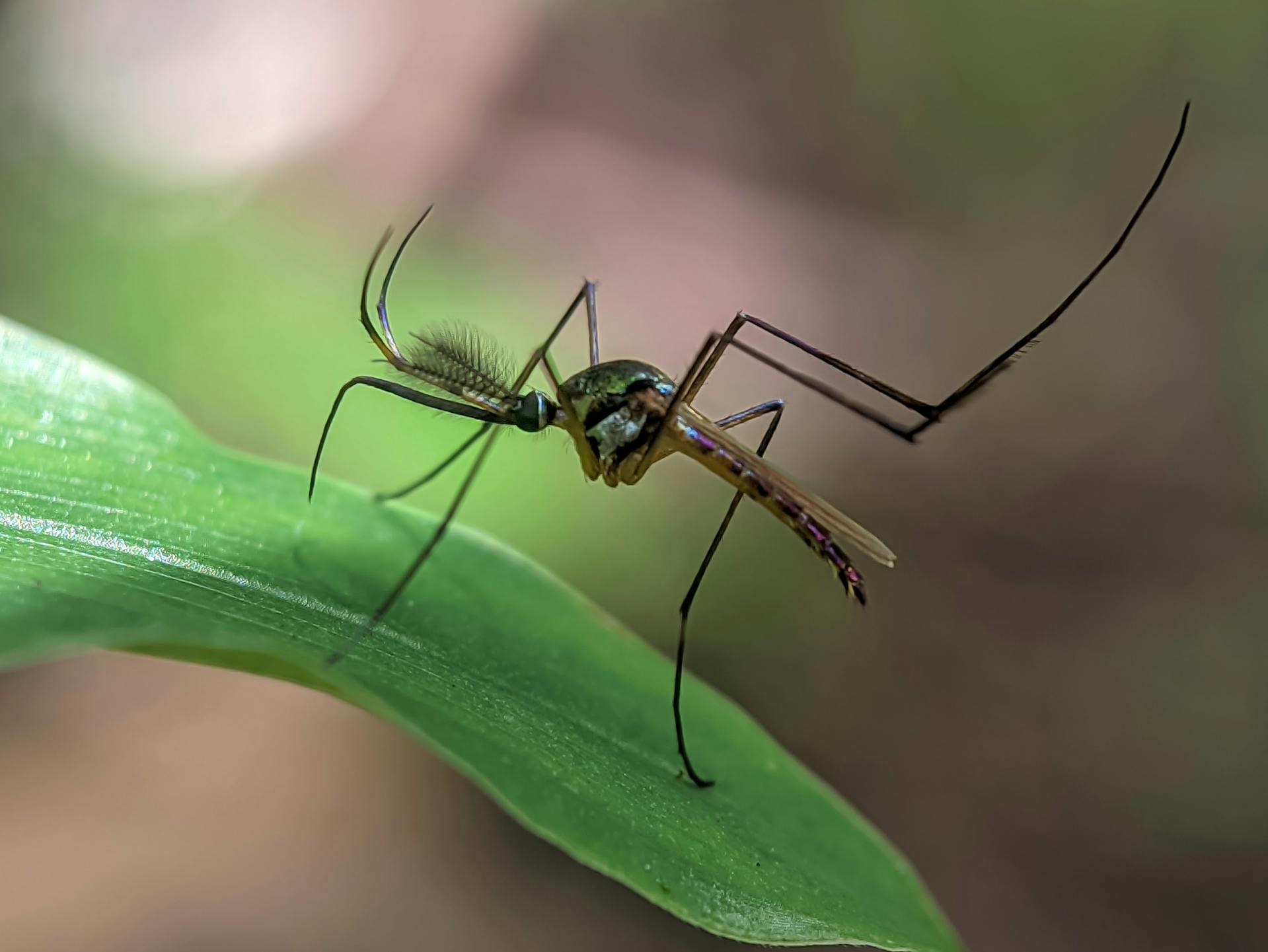
The mosquito that matters in Bali is Aedes aegypti, the species that carries dengue, chikungunya and Zika. Unlike the Anopheles mosquitoes that spread malaria (malaria is not a meaningful risk in mainstream tourist Bali), Aedes is a daytime feeder. It bites mostly around dawn and again in the late afternoon to dusk, but it will happily bite at any hour, especially indoors in shaded rooms. This single fact reshapes the whole protection plan: you cannot just cover up at sunset and assume you are safe.
The second thing to know is that dengue is endemic in Bali year-round. Cases peak in the wet season — roughly November through March — when standing water collects in pot plants, drains, gutters, construction sites and the saucers under villa garden plants. But cases are reported every month of the year, and the seasonal pattern has been getting less predictable. There is no "safe" month to travel without thinking about mosquitoes.
The third thing parents underestimate is the geography. Mosquitoes are not evenly distributed across the island. Rice paddy zones, jungle valleys and any villa near standing water will have dramatically more mosquitoes than a breezy beachfront in Sanur or a high-rise in Kuta. Where you base yourself matters as much as what repellent you pack — more on that further down.
Age-By-Age: What Repellent Is Actually Safe For Your Baby
This is the question we get asked most often by parents on the WhatsApp thread after a transfer. The guidance below is directional and reflects what is broadly recommended by the WHO, Australian health authorities and most paediatric travel-medicine clinics in 2026. Always cross-check with your own GP before flying, because individual products and concentrations vary and your child may have specific sensitivities.
Under 2 months old: no chemical repellent at all. Not DEET, not picaridin, not oil of lemon eucalyptus, not "natural" essential-oil sprays. A newborn's skin is too thin and too absorbent, and they cannot tell you something is wrong. The entire strategy at this age is physical: long, light, loose clothing covering arms and legs, a mosquito net draped over the pram or stroller, and a fine-mesh net over the cot or travel bassinet at night. Honestly, if your baby is under 8 weeks, we would think hard about whether Bali is the right destination at all — not because it is dangerous, but because your protection options are so limited.
2 months to 2 years: low-concentration repellents become an option. DEET up to around 10% is generally considered acceptable for this age group, applied sparingly to exposed skin (not hands, not face, not under clothing) and washed off when you come back inside. Picaridin at 5–10% is the alternative most Australian parents prefer because it is less greasy, gentler on plastics and prams, and has a more pleasant smell. Do not use oil of lemon eucalyptus (OLE or PMD) on children under 3 years — this one trips a lot of parents up because it sounds gentle, but the active ingredient is not recommended for very young children.
2 years and older: the concentration ceiling lifts. DEET up to 20–30% is appropriate for toddlers and older kids, and picaridin up to 20% is the other mainstream option. Higher concentrations do not work better — they just last longer between applications. For a half-day at a beach club, a 10% picaridin will usually carry you through; for a full day at an inland villa with rice paddies, 20% picaridin or 20% DEET is more practical because you re-apply less often.
One thing we tell every family: avoid combined sunscreen-and-repellent products. The re-application rate for sunscreen is roughly every two hours and after swimming; the re-application rate for repellent is much less frequent. If you use a combined product on the sunscreen schedule you will over-apply repellent; if you use it on the repellent schedule you will under-apply sunscreen and burn. Buy two separate products, put sunscreen on first, let it absorb for fifteen minutes, then put repellent on top.
Physical Barriers Come First — Always
The single biggest mistake we see is parents treating repellent as the main strategy and physical barriers as a backup. It is the other way round. Repellent on exposed skin is the last line of defence after you have already done everything else. Here is the order we recommend.
Long sleeves and long pants at dawn, dusk and any time you are inland. Light colours (mosquitoes are drawn to dark fabrics, and you will also be cooler), loose-fitting (mosquitoes bite through tight stretch fabric), and ideally a thin cotton or merino weave. Aussie sun-protection swimwear works brilliantly as mosquito armour too. For toddlers who refuse long sleeves in the heat, at minimum cover ankles, feet and the backs of knees — these are Aedes aegypti's favourite biting zones.
Mosquito net over the pram or stroller. A fine-mesh, fitted net that velcros or elastics around the canopy will keep mosquitoes off a sleeping baby without you having to spray anything. Most prams have a compatible net or you can buy a universal one before you fly. We see a lot of families bring one and forget to actually use it during the daytime — put it on whenever the pram is parked in shade.
Mosquito net over the cot at night. Many villas have nets pre-installed over the master bed but do not bother for the travel cot. Pack a portable cot net (they fold to the size of a paperback) and use it every single night, even if the villa has air-con and looks sealed. One mosquito getting in during the day is all it takes.
Screened villa, doors closed, air-con on. When you are choosing a villa, ask specifically whether the bedrooms have flyscreens on the windows and whether the doors close fully (a surprising number of Bali villa doors have a 5mm gap at the bottom that mosquitoes walk straight under). Running the air-con not only keeps the room cool, it makes the air drier and less hospitable to mosquitoes, and it gives you an excuse to keep doors and windows shut.
Plug-in vapouriser in the bedroom. The small plug-in repellent units you can buy at any Bali supermarket or Indomaret work well overnight in a sealed bedroom with air-con. They use a low-concentration insecticide that evaporates slowly. We would not run one in a baby's sleeping room without ventilation, but in a master bedroom with the air-con on it is a solid extra layer. Switch it off in the morning and open a window briefly when you wake up.
Where The Mosquitoes Are Worst (And Best)
This is the conversation we end up having with families in the car on the way from the airport. Where you stay genuinely matters.
Worst: rice paddy zones. Inland Ubud, the rice-field belt behind Canggu and Pererenan, the lanes around Tegallalang and Tampaksiring, and any "jungle villa" with a stream or pond — these are mosquito heartlands. The paddies hold standing water, the foliage holds shade, and the breeze does not move through the way it does on the coast. If you stay inland, your repellent and net game has to be tighter. We are not saying do not stay there — Ubud with a baby can be magical — just go in with eyes open.
Bad: pool surrounds at dusk. Even at a coastal villa, the half-hour around sunset by the pool is prime biting time. The pool itself is fine (chlorinated water does not breed mosquitoes), but the damp grass, pot plants and garden corners around it do. If your evening routine involves a pre-dinner swim with the kids, time it for earlier in the afternoon or accept that long sleeves and repellent are non-negotiable from 5pm onwards.
Bad: jungle villas and waterfall hikes. The viral Instagram-friendly villas perched over a gorge in Ubud or Sidemen are stunning, but they are deep in mosquito country. Same with waterfall day trips. Cover up properly and apply repellent before you leave the car. We can plan day trips that minimise the high-risk windows — see our Bali with a baby itinerary for a sample week that gets the balance right.
Better: breezy beachfront. Sanur's seafront promenade, the Bukit cliffs around Uluwatu, Nusa Dua's resort beachfront and the southern tip of Canggu all get a steady sea breeze that mosquitoes hate. You are not mosquito-free, but you are dealing with maybe a tenth of the bite pressure of an inland villa. If your child is under 6 months or you are particularly anxious about dengue, weighting your itinerary toward coastal areas is a sensible call.
Best: high-rise hotels with sealed rooms. The big international hotels in Kuta, Nusa Dua and Seminyak with proper sealed windows, central air-con and corridors several floors up have very low mosquito pressure. It is not the vibe many families come to Bali for, but for a one-week trip with a newborn it is worth considering.
When Mosquitoes Bite: Timing Matters
The Aussie instinct is to relax in the middle of the day and cover up at dusk. That works for the mosquitoes you grew up with. Aedes aegypti is a daytime feeder with two peaks: roughly the first two hours after sunrise, and the last two hours before sunset. They will bite at any hour, especially in shade and indoors, but those are the windows where you should be most deliberate.
The night-biting mosquitoes — including the Culex species that can carry Japanese encephalitis in very rare cases in Bali — are also active, which is why the cot net and the plug-in vapouriser matter overnight. Think of mosquito protection as a 24-hour job, with two peaks of vigilance during daylight and a sealed-room strategy at night.
Practically, this means breakfast on a villa terrace at 7am is a higher-risk moment than lunch on the beach at noon. Plan accordingly: feed the baby inside, get clothing and repellent on before you step outside in the morning, and shift outdoor playtime to the middle of the day when possible.
Clothing: What To Pack
If we could write a packing list for one specific item, it would be lightweight long-sleeved sun shirts and matching long pants in light colours for every member of the family. UPF 50 rashies that cover the arms double brilliantly as mosquito armour. For toddlers, the Aussie-style legionnaire hat with a back flap protects the neck (a common bite zone) and the ears.
For older kids — roughly age 5 and up — permethrin-treated clothing is worth considering. Permethrin is an insecticide bonded to the fabric that lasts for many washes and is not absorbed through the skin in any meaningful amount. You buy the shirt or trousers pre-treated, wash according to instructions, and the mosquitoes will not land. Australian outdoor brands sell pre-treated options aimed at the Top End and Kakadu market that work equally well in Bali. We would not put permethrin clothing on babies or toddlers under 2 without specifically discussing it with your GP.
Footwear matters too. Open sandals leave ankles and the tops of feet completely exposed at exactly the height Aedes prefers to bite. Light closed-toe shoes with socks for inland trips, and at minimum a quick spray of picaridin around the ankles before you leave the villa.
Dengue Symptoms in Babies and Toddlers
This is the section every parent should read twice and then save somewhere accessible. Dengue in adults is a brutal week of fever, headache, body aches and exhaustion. In small children the picture is often less classical — and that makes it easier to miss.
The textbook adult dengue presentation is a sudden high fever (often over 39 degrees) starting 4–10 days after the infectious bite, intense headache (especially behind the eyes), severe muscle and joint pain (dengue's old nickname is "breakbone fever"), and a fine red rash appearing 3–5 days into the illness. Many patients also have nausea, vomiting and a deep fatigue that lasts weeks after the fever breaks.
In babies and toddlers, fever is often the dominant sign and may be the only obvious one early on. A child too young to articulate "my joints hurt" will instead be unusually irritable, refuse food, cling, sleep more than usual, and look generally unwell in a way that is hard to put a finger on. The rash, when it appears, is often blotchy and can be mistaken for a heat rash or viral exanthem. Any unexplained high fever in a child who has been in Bali for more than 3 days should be taken seriously — do not wait it out for a week.
The other thing to know is the timing. Dengue has an incubation period of roughly 4–10 days, which means a child who gets bitten in the first few days of the holiday could come down with symptoms in the back half of the trip or even after you fly home. If your child develops a high fever in the two weeks after returning from Bali, mention the Bali trip explicitly to your GP — they will know to test for it.
When To Test, And Where
If your child has had a high fever for more than 24 hours in Bali, get a dengue blood test. It is genuinely that simple. The international clinics across the island offer same-day blood draws and same-day results, and the test itself is straightforward.
There are two tests, and which one is used depends on how many days into the fever you are. The NS1 antigen test is most reliable in the first 3 days of fever — it picks up a viral protein in the blood. After day 3–5, the body starts producing antibodies, and the IgM antibody test becomes the right test instead. Most clinics will run both as a panel to be safe. Results typically come back the same day, sometimes within a few hours.
The major international clinics in the south of the island — including BIMC in Kuta and Nusa Dua, and Siloam Hospital in Denpasar — handle dengue testing routinely and have English-speaking paediatric staff. Smaller clinics in Ubud, Canggu and Sanur can also draw blood; they will often send samples to the bigger labs for processing. If you are not sure where to go, our drivers know every paediatric-friendly clinic on the island — we wrote a full breakdown in our Bali sick kid pharmacies guide.
One important point: paracetamol is fine for dengue fever, but do not give ibuprofen or aspirin if you suspect dengue. Both can worsen the bleeding risk that comes with the disease. This is the opposite of the advice for most childhood fevers, so it is easy to get wrong. If your child is feverish and you do not yet know whether it is dengue, default to paracetamol only until you have a test result.
When To Go Straight To Hospital
Most dengue cases in children resolve at home with fluids, paracetamol and rest over about a week. But there is a small minority that progress to severe dengue, and the warning signs almost always appear in a specific window — the "critical phase" — which starts roughly when the fever breaks, around day 3 to day 7 of the illness. This is counterintuitive: just as your child seems to be getting better, the riskiest 24–48 hours begin.
Go to hospital immediately if you see any of the following: persistent vomiting (more than three episodes in an hour, or unable to keep down fluids for more than a few hours), severe abdominal pain, bleeding gums or nosebleeds, blood in vomit or stool, unusual drowsiness or restlessness, cold and clammy skin, very pale colouring, or rapid shallow breathing. Any of these in the recovery phase of a fever illness should trigger an immediate hospital visit, not a phone call to a clinic.
The two hospitals families end up at most often are BIMC (with locations in Kuta and Nusa Dua, both with paediatric capacity and English-speaking staff) and Siloam Hospital in Denpasar (a large multi-speciality hospital with paediatric ICU). Both accept direct-billing arrangements with most international travel insurers, but you should ring your insurer's 24-hour line as early as possible — ideally before you arrive at the hospital, so they can issue a guarantee of payment.
This is also why having a private driver matters in a way it does not in Australia. In a medical situation at 2am with a feverish toddler, you do not want to be opening a ride-share app and watching scooters turn down the request. Our drivers are on a WhatsApp thread you can message directly, day or night, and we can be at your villa within a known time window and at a known hospital within another known window. Pre-booking a transfer with us gives you that number to keep in your phone for the whole trip — most families never use it for an emergency, but the few who do are very glad they had it.
Insurance, Vaccines and Pre-Trip Planning
Before you fly, three conversations are worth having. First, check your travel insurance covers dengue specifically and confirms the direct-billing arrangement with BIMC and Siloam. Most mainstream Australian travel policies do, but the wording matters — look for "infectious disease" cover and a sensible per-incident limit. Carry the policy number and the 24-hour assistance number on your phone and on paper in your wallet.
Second, talk to your GP about Qdenga, the dengue vaccine. As of 2026 it is available in Australia and is approved for use in children from age 4 upwards. It is not a substitute for mosquito avoidance — it does not give 100% protection, and the immune response in dengue-naive patients is less robust than in those who have had dengue before — but for families travelling repeatedly to dengue-endemic areas with older kids, it is part of the conversation. It is given as two doses three months apart, so you need to start the schedule well before you fly. This is not a vaccine for babies or toddlers under 4, and it is genuinely a decision to make with your GP rather than off a blog post.
Third, pack your repellent kit before you fly. Australian-quality picaridin and DEET products are easier to find at home than in Bali, and you avoid the gamble of buying an unfamiliar brand at a Balinese supermarket. We recommend: one bottle of low-concentration picaridin (for the baby/toddler), one bottle of stronger picaridin or DEET (for parents and older kids), pram nets, a portable cot net, and one or two plug-in vapourisers if you are not sure your villa will have them.
One last bit of crossover advice: dengue and a bad gastro bug have overlapping symptoms in toddlers, and the management is different. If you are not sure whether you are dealing with dengue or something else, read our Bali belly with a baby guide alongside this one — between the two you will have a clear decision tree.
FAQs
Is dengue really common in Bali? Yes. Bali reports thousands of dengue cases every year, with peaks in the wet season (November–March) but cases recorded every month. Tourist infection is not unusual, and the WHO and Smartraveller both flag Bali as a dengue-risk destination year-round.
Can I use DEET on a 3-month-old baby? Most paediatric travel-medicine guidance allows DEET at concentrations up to about 10% from 2 months of age, applied sparingly to exposed skin and washed off afterwards. Below 2 months, the strategy is purely physical — nets, clothing, sealed rooms. Confirm with your GP for your specific child.
What about natural repellents like citronella and eucalyptus oils? Citronella products work for a short period (often under an hour) and need very frequent re-application, which makes them impractical for a full day out. Oil of lemon eucalyptus (PMD) does work well, but it is not recommended for children under 3 years. For under-3s, picaridin is the gentler synthetic option most paediatricians point to.
Should I avoid Ubud because of mosquitoes? Not necessarily. Ubud is one of the highlights of Bali for families, and plenty of families do it without incident. Just go in with a tighter protection routine: long sleeves at dawn and dusk, repellent on exposed skin during the day, a screened or air-conditioned villa with cot nets, and a plug-in vapouriser overnight.
How quickly can dengue symptoms appear after a bite? The incubation period is roughly 4–10 days. That means a bite in the first few days of your trip can produce symptoms during the holiday, late in the trip, or even after you fly home. Any unexplained high fever in the two weeks after returning from Bali should be flagged to your GP with a mention of the Bali trip.
Is the Qdenga vaccine a good idea before our family trip? It is a real option for kids aged 4 and up, but it is not a magic bullet and it requires two doses three months apart. Have the conversation with your GP at least 4–6 months before you fly. For babies and toddlers under 4 it is not currently available, so prevention through avoidance and repellent is the whole strategy.
Which hospital should we head to if we think it is dengue? For the southern Bali tourist zone, BIMC (Kuta and Nusa Dua branches) and Siloam Hospital in Denpasar are the two most commonly used by international families. Both have English-speaking staff and paediatric facilities. In Ubud there are smaller international clinics that can do initial testing and stabilise before transferring south if needed.
Will travel insurance actually cover a dengue hospitalisation? Mainstream Australian travel insurance generally covers infectious diseases including dengue, including hospitalisation costs. The key is to ring the insurer's 24-hour line as early as possible so they can issue a guarantee of payment and set up direct billing with the hospital. Always carry the policy number in two places.
Can babies use the plug-in vapouriser overnight? The plug-in vapourisers sold at Bali supermarkets are designed for sealed adult bedrooms. We would not run one in a small enclosed nursery space without ventilation, and not directly above a baby's cot. In a larger air-conditioned master bedroom with a baby sharing the room, used as directed, most paediatricians consider them acceptable — but the more conservative approach is to rely on cot nets, air-con and clothing instead.
What if my baby is already covered in bites — what now? Existing bites are a histamine reaction, not an infection. A cool compress, paediatric antihistamine if your GP has prescribed one for travel, and keeping fingernails short to stop scratching are the main things. The question that matters is not the bites themselves but whether a fever develops in the following 4–10 days — that is the dengue window you are watching.
Mosquito protection is one of those Bali topics that sounds intimidating in a blog post and turns out to be quite manageable in practice once you have a system. Cover up at the right times, choose your villa with mosquitoes in mind, pack the right repellents, and know the dengue warning signs cold. The vast majority of families have a wonderful Bali trip with nothing worse than a few bites to show for it. If you would like a calm, English-speaking driver waiting for you at Denpasar with an ISOFIX seat already fitted — and a phone number you can keep for the rest of the trip in case anything goes sideways — you can pre-book a transfer with us at balifamilytravels.com. We will get you to your villa safely, and we will be one less thing to worry about if you ever do need to get to a clinic in a hurry.