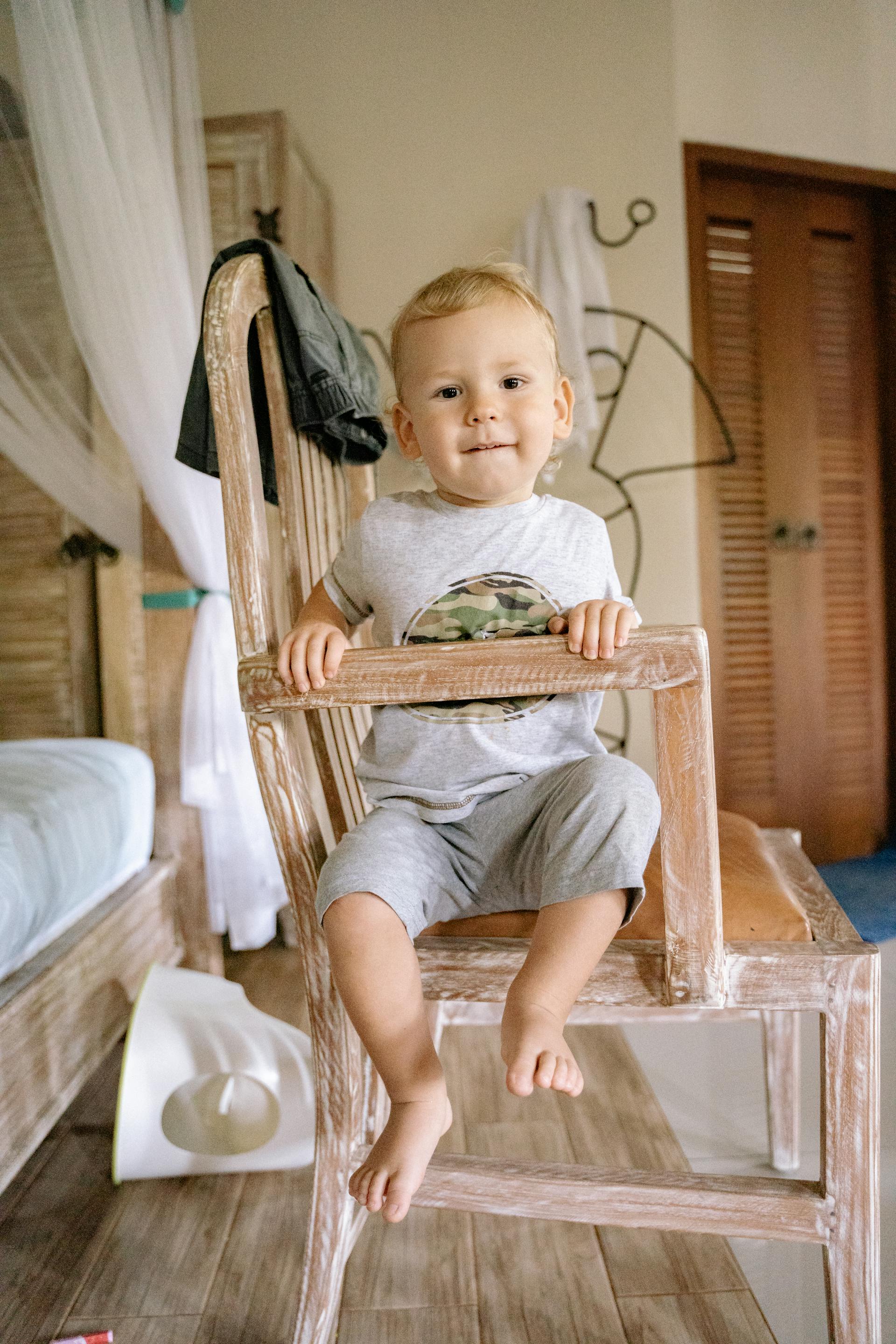
Bali Belly With a Baby or Toddler in 2026: A Calm, Practical Guide for Parents
What Bali belly actually is, how to prevent it in babies and toddlers, what to do if it happens, and the red flags that mean go to a clinic now.
Last reviewed:
The first time your baby has a runny nappy in Bali, your stomach drops. Was it the ice in the watermelon juice? The unwashed mango? The pool water they swallowed? Should you be worried, or is this just a normal toddler day in a hot country? This is the calm, practical, parent-to-parent guide to Bali belly in babies and toddlers in 2026 — what it actually is, how to prevent it, what to do if your little one gets it, and the specific red flags that mean stop reading and go to a clinic right now.
We drive families around Bali for a living, and the "we think the baby has Bali belly, what do we do?" call is one we have taken more times than we can count. The good news is that most cases in young children are mild, short, and very manageable at home with the right preparation. The honest news is that babies and toddlers dehydrate faster than adults, so you do need to know the signs, and you do need a plan before you land. This guide gives you that plan.
What Bali Belly Actually Is
"Bali belly" is the local name for traveller's diarrhoea — the same thing tourists call Delhi belly in India or Montezuma's revenge in Mexico. In Bali specifically, the most common culprits are enterotoxigenic E. coli (the same bug that causes most cases of traveller's diarrhoea worldwide), norovirus, and occasionally giardia or campylobacter. It is almost always picked up from food or water — not from the air, not from swimming pools that are properly chlorinated, and not from mosquitoes.
In adults, it is miserable but usually self-limiting in 24 to 72 hours. In babies and toddlers, the symptoms are the same — watery stools, sometimes vomiting, sometimes a low fever, sometimes crampy tummy pain — but the risk profile is different. Small children have less fluid reserve, so dehydration is the thing you are actually trying to prevent. The diarrhoea itself is unpleasant but rarely dangerous. The dehydration that can follow is what sends families to the clinic.
One important thing to know: not every loose nappy in Bali is Bali belly. Heat, jet lag, a new diet, teething, an ear infection, or simply more fruit than usual can all loosen a baby's stools. If your little one is having one slightly soft nappy a day but is otherwise happy, drinking well, and producing normal wet nappies, that is probably not a tropical infection. Real Bali belly tends to announce itself clearly — multiple watery stools in a short window, often with a flat, miserable, off-their-food child.
Prevention: The Water Rules That Actually Matter
Almost every case of Bali belly we hear about in babies traces back to one of three things: tap water, ice from a non-trusted source, or food that sat warm too long. The water rule is the single biggest one.
Do not give your baby Bali tap water in any form. Not for drinking, not for mixing formula, not for washing fruit, and — this is the one people forget — not for brushing teeth. Toddlers, especially, will swallow whatever you put on a toothbrush. Use bottled or properly filtered water for everything that goes near a small mouth. Most villas and family-friendly hotels have a large refillable water dispenser or a filtration tap; ask on arrival, and if in doubt, buy the big five-litre bottles from any minimart and use those. They are cheap, they are everywhere, and they take the guesswork out.
Ice is the second trap. Reputable hotels, big restaurants and most established cafes in Seminyak, Ubud, Sanur and Canggu use machine-made ice from filtered water, and it is fine. The little roadside warung pouring ice from a bag into a plastic cup is the higher risk — not because warung food is bad (much of it is excellent) but because you do not know where that ice came from. For babies and toddlers, our rule is: ice only at hotels and established cafes. If you are not sure, order drinks without ice. Cold bottled water from a fridge does the same job.
The third trap is food temperature. Hot food that is freshly cooked and steaming is almost always safe — heat kills the bacteria you are worried about. Food that has been sitting on a buffet, at a market stall, or on a beach hawker's tray in 30-degree heat for a few hours is the risk. For little kids, we stick to: hot cooked food (rice, mie goreng, nasi goreng, soups, grilled fish, satay straight off the grill), peeled fruit (bananas, mangoes you peel yourself, mandarins), and avoid the tempting roadside salads, sliced fruit platters and uncooked sambals from places you do not know.
Practical Food Rules for Babies and Toddlers
The "hot, cooked, peeled" rule covers most situations, but a few more specifics help when you are actually standing in a cafe with a hangry toddler.
Fruit is fine, and important — bananas, papaya, mango, dragonfruit, watermelon are all great toddler food and a useful source of fluids in the heat. The rule is: you peel it, or it comes from a place with a proper kitchen and refrigeration. Pre-sliced fruit from a market stall or a beach vendor is the higher risk, mostly because of the knife, the board, and the water it was rinsed in. At a hotel breakfast buffet with sliced fruit, you are usually fine.
Dairy is more nuanced than people expect. Pasteurised milk, yoghurt and cheese from supermarkets and proper cafes are fine in Bali — the cold chain is generally reliable in tourist areas. Ice cream from established cafes and chains is fine. The exception is artisanal-looking dairy from small stalls where you cannot tell how it has been stored. If your child is dairy-driven, stick to packaged yoghurt pouches from the bigger minimarts.
Salads and uncooked vegetables are where adults often get caught, and the same applies to kids. The lettuce, herbs and raw veg in a salad have usually been washed — but washed in what water? Reputable family cafes in places like Sanur, Ubud and Berawa take this seriously and wash in filtered water. Smaller, cheaper places may not. For a toddler, we generally skip raw leafy salads in Bali unless we know the place well. Cooked veg in a stir-fry, grilled corn, or steamed greens are no problem.
Hand hygiene matters more than people realise. Babies and toddlers put hands in mouths constantly. Carry hand sanitiser in your nappy bag and use it before every feed, before every snack, after every playground or pool, and after every car ride where small hands have been all over the seats. It feels excessive on day one and routine by day three. A small bottle in every bag is the single cheapest insurance policy you can buy.
Breastfeeding, Formula and Bottles
If you are still breastfeeding, you have a built-in advantage. Breastmilk is sterile, it contains antibodies, and it is the single best fluid for a sick baby. Breastfed babies get Bali belly less often than formula-fed babies, and when they do, they recover faster because they will usually still take the breast even when refusing everything else. If you were thinking about weaning before the trip — and there is no medical reason driving it — many parents we know quietly delay weaning until they are home.
For formula-fed babies, the rules are stricter. Use bottled or filtered water to make up bottles, and boil it first (most villas have an electric kettle; if not, ask). Sterilise bottles and teats properly — bring a microwave steriliser bag or cold-water sterilising tablets, both of which travel well. Do not use water from a hotel bathroom tap even if it looks fine. Some families bring their usual formula from home for the whole trip; others buy a familiar international brand at the bigger supermarkets in Seminyak, Sanur or Ubud. Both work, but switching brands mid-trip is not the moment for a sensitive tummy.
Bottle washing in villas is where hygiene quietly slips. Villa kitchens are often shared, sponges live in warm humid sinks for weeks, and dishwashers are rare. Bring a small bottle brush, use detergent and the hottest water the tap will give you, rinse with bottled water for the final rinse, and air-dry on a clean cloth. If you are staying somewhere with a staff member who does dishes, mention politely on day one that the baby's bottles need filtered water for the final rinse. Most villa staff are parents themselves and completely understand.
If Your Baby Gets It: The Home Plan
Most cases of Bali belly in young children can be managed at home, in your villa, with calm and the right kit. Here is the playbook.
Step one is rehydration, and that means oral rehydration salts. These are sachets of glucose and electrolytes in the exact ratio needed to help a small body absorb water through a damaged gut. Every pharmacy in Bali sells them — equivalents of Hydralyte and Pedialyte are widely available, often under local brand names, and the pharmacist will know exactly what you mean if you say "ORS for baby". Buy a box on day one of your trip and keep it in the villa fridge once mixed. They taste vaguely of weak fruit cordial; most toddlers tolerate them, especially chilled.
For a breastfeeding baby, the answer is simpler: offer the breast frequently, every 30 to 60 minutes if your baby will take it, in addition to ORS. Do not stop breastfeeding because of diarrhoea — the milk is helping, not harming. For formula-fed babies, continue normal-strength formula in smaller, more frequent feeds, and offer ORS in between.
Step two is food. The old "starve the gut" advice is outdated. Current paediatric guidance is to keep feeding as soon as the child will eat. For breastfed and formula-fed babies, this means continuing milk feeds. For toddlers over one year, the gentle reintroduction diet that doctors still recommend is some variation of the BRAT diet — banana, rice, applesauce, toast. Add plain crackers, plain congee, plain noodles, boiled potato. Skip rich, oily, fatty or sugary foods for 24 to 48 hours. Skip cow's milk if they seem to be reacting to it, but only short-term.
Step three is what NOT to do. Do not give anti-diarrhoeal medications like loperamide (Imodium) to children under two — and many paediatricians extend that to under-six. These drugs stop the gut moving, which means the infection sits in the body longer. They can also mask the seriousness of an illness. Adult Bali-belly kits often contain them; keep those for the adults and away from the kids. Antibiotics are also not a routine treatment for traveller's diarrhoea in children — they are sometimes prescribed for severe or specific infections, but only by a doctor after assessment. Do not give a child antibiotics you brought from home or bought over the counter without medical advice.
Step four is rest and patience. Most cases settle in 24 to 48 hours. The child will be off their food, clingy, possibly grumpy. Cancel the day plan, stay near a bathroom, run the air-con, put on cartoons, and accept that this is the day your Bali holiday is a slow villa day. A flexible private driver who can reschedule activities at short notice — rather than a non-refundable tour group — is worth its weight in gold on days like this.
Red Flags: When to Stop Managing at Home and Go to a Clinic
This is the section to read before you need it. Save it on your phone. The vast majority of Bali belly cases never need a doctor — but the ones that do, need one fast, because small children deteriorate quickly. Go to a clinic immediately if any of the following applies.
Signs of dehydration: a lethargic or floppy baby who is hard to rouse or will not engage; a sunken fontanelle (the soft spot on top of a baby's head appearing dipped in rather than flat); no wet nappy for 6 or more hours in a baby, or 8 or more hours in a toddler; dry mouth and no tears when crying; sunken-looking eyes; cool, mottled or pale skin. Any one of these means go now — not in the morning, not after one more feed. Go.
Blood or mucus in the stool. A small streak from a sore bottom is one thing; visible blood, jelly-like mucus, or stools that look black is another. These can point to a more serious bacterial infection and need a proper assessment.
Fever in a very young baby. Any fever over 38°C in a baby under three months is a "go to hospital tonight" event, full stop, Bali belly or not. In older babies and toddlers, a fever over 38.5°C that is not coming down with paracetamol, or persistent fever beyond 48 hours, also needs review.
Persistent vomiting — meaning your child cannot keep down sips of ORS or breastmilk for more than a few hours. A child who vomits twice and then settles is usually fine; a child who vomits everything for 6 hours straight is heading toward dehydration and needs IV fluids.
Symptoms that are not improving after 24 hours, or that are getting worse rather than better. Most viral and bacterial gastros peak and then ease. One that keeps escalating needs eyes on it.
Trust your parental instinct. If something feels wrong, it probably is. Clinics in Bali would much rather see a baby who turns out to be fine than miss one who is not.
Where to Go: Clinics, Hospitals and the Realistic Pathway
Bali's medical infrastructure for tourists is genuinely good in the main areas, and far better than first-time visitors expect. The pathway most expat families and informed tourists use is: pharmacy for minor stuff, 24-hour international clinic for anything in the red-flag zone, hospital admission only if the clinic refers you.
For 24-hour care, the two names you will hear most often are BIMC Hospital (with locations near Kuta and in Nusa Dua) and Siloam Hospital (with a large facility near Kuta and other sites around the island). Both have English-speaking paediatric staff, both handle traveller's diarrhoea and dehydration in children routinely, and both are set up for international insurance. There are also reputable 24-hour international clinics in Seminyak, Ubud, Sanur and the Kuta area — your villa host, hotel concierge or driver will know the closest one to where you are staying. We keep a mental map of which clinic is closest from every major family area on the island, because we have driven enough late-night runs to know.
A useful trick for parents: pharmacies in Bali are more capable than Australian or UK pharmacies. Many will sell ORS, paracetamol, zinc supplements, probiotics and basic antiemetics over the counter, and pharmacists in tourist areas speak good English and are happy to advise. For genuinely mild Bali belly, a pharmacy visit and a chat is often all you need before deciding whether a doctor is required. We have a separate guide on finding pharmacies and clinics with a sick kid in Bali that goes into more detail on what to ask for and where to find them.
Travel Insurance: The Boring Section That Saves You Thousands
If you take one piece of practical advice from this guide, take this: before you leave home, write down your travel insurer's emergency assistance hotline and put it in your phone, your partner's phone, and on a piece of paper in your wallet. When a sick toddler is screaming at 2am, you will not be able to find that policy PDF.
For Australian families specifically, most policies (Allianz, Cover-More, World Nomads, the big bank-issued policies, etc.) require you to call the 24/7 emergency assistance hotline BEFORE going to hospital, except in genuine life-threatening emergencies. The reason is simple — they want to direct you to a provider where they can pay the hospital directly (direct billing), rather than have you pay tens of thousands of rupiah out of pocket and try to claim it back later. BIMC and Siloam, and most established international clinics, have direct-billing relationships with the major international insurers. A 24-hour clinic in a smaller town may not.
For an outpatient visit for moderate diarrhoea and rehydration, you are usually looking at a few hundred to a couple of thousand AUD equivalent depending on whether IV fluids are needed. With direct billing, you walk out having paid nothing; without, you pay up front and claim back. Either way: call the insurance hotline first if the situation allows. The five minutes on hold can save you a long admin tail when you get home.
UK and NZ families — the same principle applies. Check your policy specifically for paediatric cover, ambulance cover and direct-billing arrangements before you fly. The NHS does not work overseas, and the Reciprocal Health Care Agreement Australia has with the UK and NZ does not extend to Indonesia.
The Probiotic Question
Parents ask us about this every week, and the honest answer is: it is debated, and it is your call. There is some evidence that certain probiotic strains (particularly Saccharomyces boulardii and certain Lactobacillus strains) can reduce the duration of traveller's diarrhoea by roughly a day in adults. The paediatric evidence is weaker but generally consistent with a small benefit. There is no evidence they reliably prevent it.
Practically: many parents we know give kids a daily probiotic powder or yoghurt drink starting a week before the trip and continuing throughout, and feel it helps. Others see no difference. The downside is minimal — probiotics are generally very safe in healthy children — and the cost is modest, so plenty of families try them. Just do not let probiotics replace the water and hand-hygiene rules. They are an add-on, not a substitute.
One thing pharmacists in Bali commonly recommend alongside ORS for kids with diarrhoea is zinc supplementation, which has stronger evidence for reducing duration and severity in young children with acute diarrhoea. If a pharmacist offers it, it is reasonable to use — but again, after a chat, and for short-term use only.
Getting To a Clinic at 2am: The Logistics
This is the part most guides skip. Knowing which clinic to go to is one thing; getting there with a sick baby, a panicked partner, and possibly other children in tow at 2am is another. A few practical points.
Bali traffic is unpredictable, distances are short on the map but slow on the road, and most villas are at the end of small lanes that ride-share drivers struggle to find at night. Hailing a taxi or trying to book a Gojek/Grab car with a sick child at 2am from a quiet villa lane is not something you want to be doing for the first time in a crisis. This is one of the strongest practical arguments for having a dedicated private driver on your trip who knows your villa, knows the clinics, and answers WhatsApp at 2am. Our drivers do exactly this — clinic runs are part of the job, and families regularly message us at all hours. We charge a flat fee for emergency clinic runs and we do not mark up sick-kid trips.
If you do not have a private driver, the next best plan is: identify the closest 24-hour clinic on your first day, screenshot the route in Google Maps, save the clinic's WhatsApp number, and ask your villa host or hotel which transport option they recommend at night. Most hotels have a driver on call. Most villas have a contact in the local area. The time to ask is on day one, not at 2am.
Bring with you: your child's passport, your travel insurance card or screenshot, a photo of any usual medications they take, a clean change of clothes for the baby, a few muslins, and your phone charger. The clinic will have everything else.
FAQs
Can my baby get Bali belly from swimming pools? Properly chlorinated villa and hotel pools are very low risk. Public pools or any water that looks cloudy, smells off, or has not been maintained should be avoided for babies. The bigger pool risks for little kids are sunburn, swallowed water in unkempt pools, and ear infections — not Bali belly itself.
What about the ocean? Open ocean in Bali is generally fine for swimming. Avoid the river-mouth areas after heavy rain, especially on the west coast around Canggu and Seminyak, where runoff temporarily worsens water quality. Sanur and Nusa Dua beaches are cleaner and gentler for babies year-round.
Should I bring oral rehydration salts from home, or buy them in Bali? Bring one or two sachets from home for emergencies and the first night, then top up at a pharmacy in Bali on day one. Local ORS sachets are cheap, widely available, and work identically to Australian and UK brands.
Are babies more at risk of Bali belly than older kids? Babies under one get Bali belly less often than toddlers, mostly because they eat a more controlled diet (milk, sealed pouches, parent-prepared food). Toddlers between roughly 18 months and 4 years are the higher-risk age group because they grab everything and put it in their mouths — sand, fruit off the floor, the dog's water bowl. Toddlers are the ones we worry about most.
Can I give my toddler the same anti-diarrhoeal tablets I take? No. Loperamide (Imodium) and similar drugs are not for under-twos and not recommended for under-sixes by most paediatricians. Stick to ORS, breastmilk or formula, gentle foods, and a doctor if things escalate.
How do I know if it is teething versus Bali belly? Teething can cause looser stools and a grumpy baby, but rarely multiple watery stools, rarely vomiting, and rarely a fever above 38.5°C. If you are seeing classic gastro symptoms, treat it as gastro, not teeth.
Do I need to boil bottled water before giving it to my baby? Sealed, branded bottled water is safe as-is for drinking and washing. Boil it if you are making up infant formula, per the same rules you would use at home for formula preparation.
What if I am too nervous to feed my baby anything in Bali? This is more common than people admit, and we hear it from anxious first-time parents often. The honest answer: babies who eat almost nothing for several days get tired, cranky and dehydrated themselves, which is its own problem. Most family-friendly cafes in Sanur, Ubud, Berawa, Seminyak and Nusa Dua are extremely safe; pick well-reviewed places with proper kitchens, stick to hot cooked food and peeled fruit, and your baby will eat normally and be fine. Bali is not a war zone — it is a tourist island with millions of family visitors a year.
Can I prevent Bali belly with antibiotics? Prophylactic antibiotics for traveller's diarrhoea are not recommended for children, and increasingly not recommended for adults either, because they contribute to antibiotic resistance and have side effects. Prevention is about water, food and hands, not pills.
Is Bali belly contagious to the rest of the family? Yes, especially the viral causes like norovirus. Strict hand-washing after every nappy change, separate towels, and not sharing cups or food with the sick child help a lot. Expect that if one family member gets it, others may follow over the next day or two.
Bali belly in a baby or toddler is one of those holiday moments that feels enormous in the moment and small in hindsight — provided you go in prepared. Pack ORS, follow the water rules, trust your instincts on the red flags, and know which clinic is closest before you need it. If you want a driver on call who knows the clinics, knows the villas, and answers the phone at 2am — and a child seat properly fitted from the airport onwards — pre-book a transfer with us at balifamilytravels.com and we will look after your family from the moment you land. Have a wonderful, healthy, gently-paced trip.