Sanur with Kids: Bali's Quiet Family Beach in 2026
Why Sanur is the calmest, prammable, reef-protected family beach in Bali — and how it compares to Nusa Dua, Seminyak and Canggu for parents in 2026.
Last reviewed:
If you are travelling to Bali with a baby, a toddler or two primary-school kids and you want one place to base yourselves without surf, scooter swarms and tourist crush, the honest answer in 2026 is Sanur. It is the flat, reef-protected, prammable side of Bali — a 5-plus kilometre paved boardwalk along a calm lagoon, family villas at the quiet north end, the Nusa Penida fast-boat harbour at the south end, and the new international medical hub a few minutes inland. This is our parent-to-parent guide to staying in Sanur with kids: where to base, how it compares to Nusa Dua, Seminyak and Canggu, beach safety, day trips, and the healthcare advantage that is quietly making Sanur the smart pick for families with babies.
Why Sanur, and why now
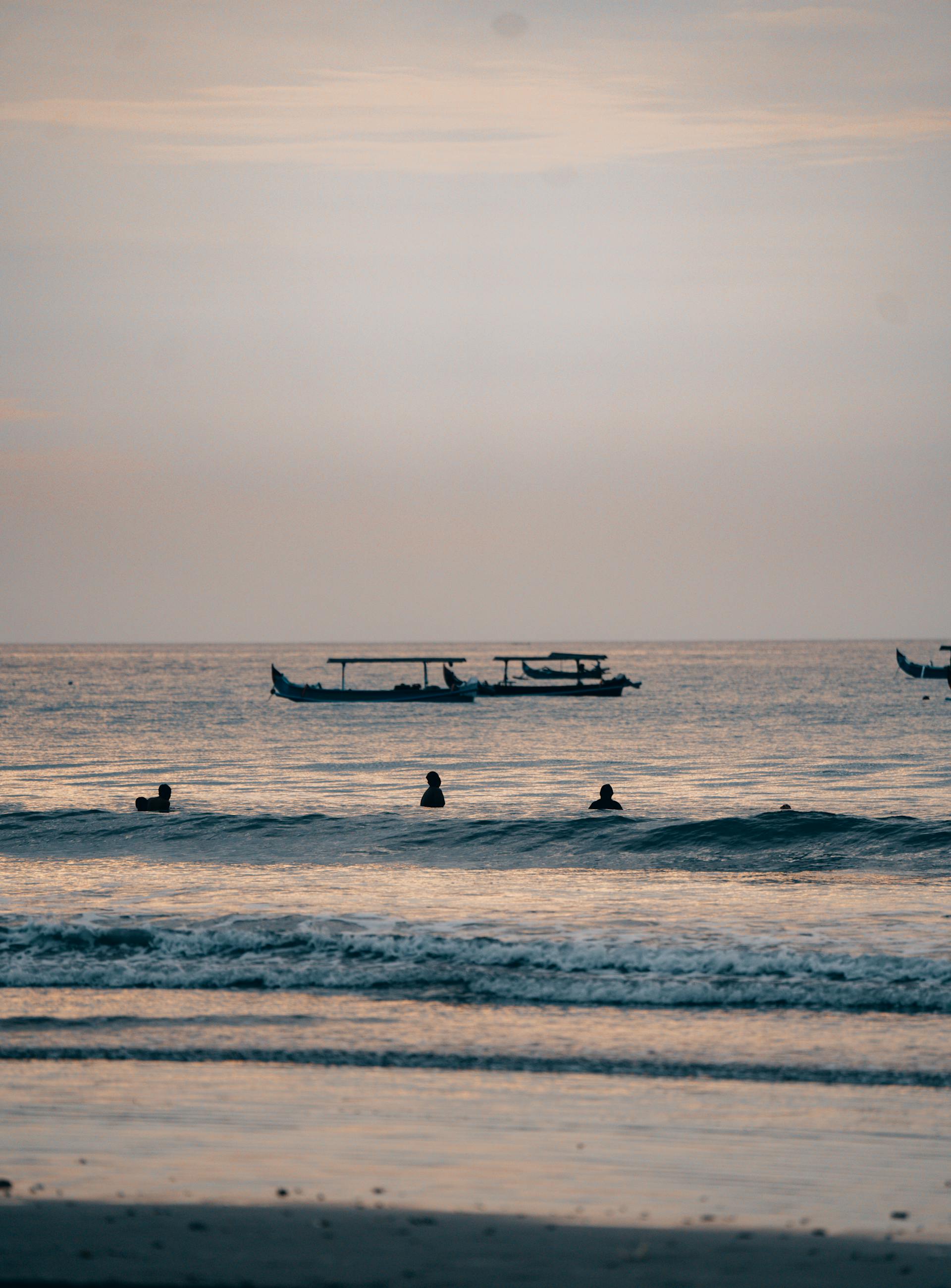
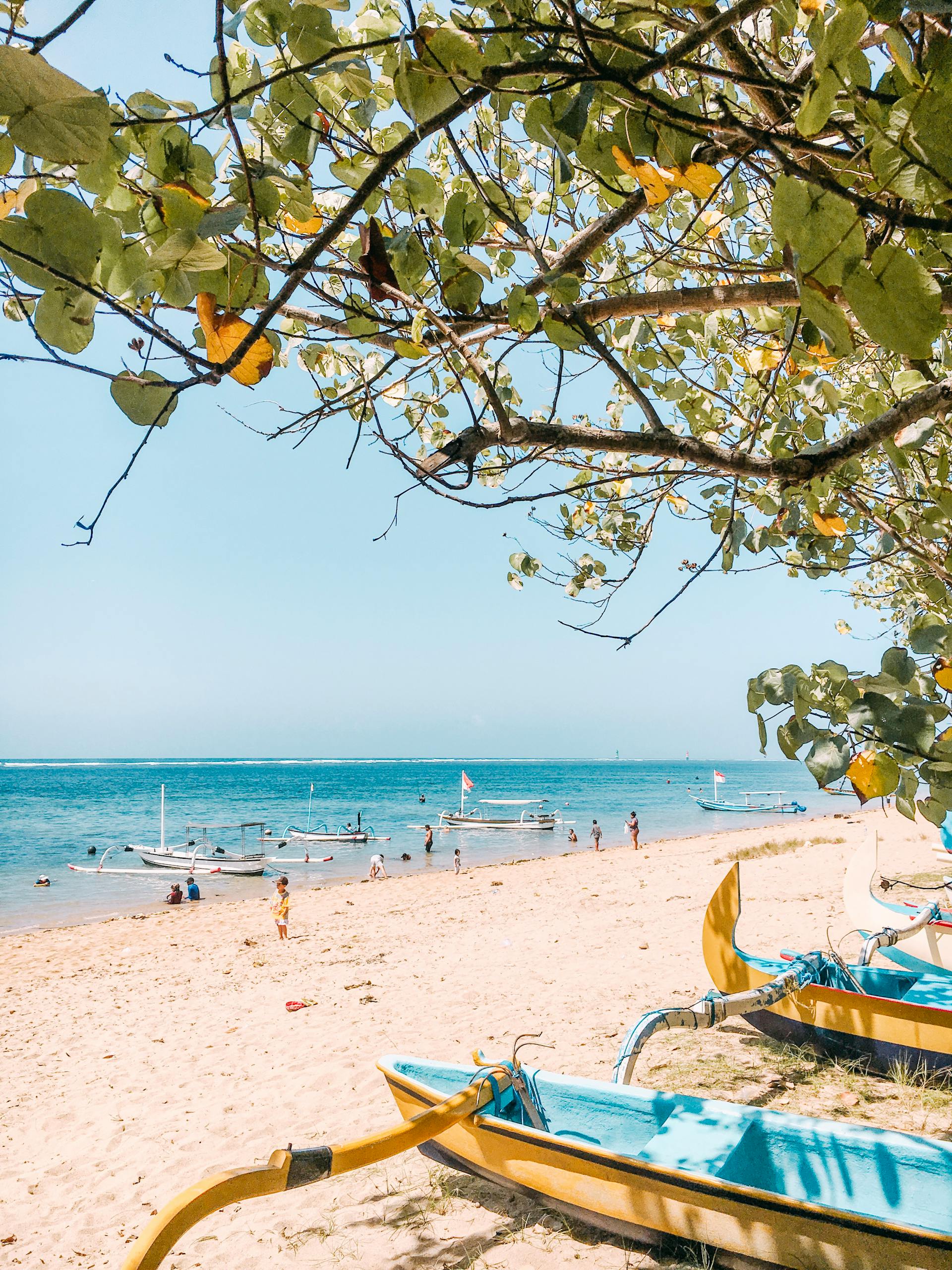
Sanur sits on Bali's east coast, about 25–40 minutes by car from the airport depending on traffic and the time of day. It is the original tourist beach in Bali — older than Kuta, older than Seminyak — and it has aged in the best possible way. The strip never went high-rise, the beach never got swallowed by clubs, and most importantly, the reef sitting 300–800 metres offshore breaks the swell before it reaches the sand. The result: a long, flat lagoon with knee-to-waist-deep water at low tide and gentle ripples instead of dumping shore-break.
For parents of under-fives, that single geographic fact changes everything. You can put a baby down on a sarong without watching a wave run up the sand. You can let a toddler stomp in ankle-deep water without bracing for the next set. You can take a five-year-old snorkelling over seagrass in chest-deep, glassy water. There is no Bali surf school energy here, no jet skis screaming past, no beach hawkers running you down — it is, for Bali, almost suburban-quiet.
What has changed in 2026 is the south end of Sanur. The Sanur Special Economic Zone — a planned health and wellness district — is now operational, with a large international hospital, specialist clinics, hotels designed for medical travellers, and a redeveloped ferry harbour for the Nusa Penida and Nusa Lembongan crossings. For families, the practical upshot is that Sanur now has the best healthcare access of any Bali beach town, and the ferry to Nusa Penida leaves from a proper modern terminal instead of a wet beach launch.
Sanur vs Nusa Dua vs Seminyak vs Canggu for families
We get asked this every week, so here is the honest comparison. Nusa Dua is the other "safe" family option: gated, manicured, big resort pools, calm water inside its own lagoon. It is excellent if you want a resort holiday where you barely leave the property. The trade-off is that Nusa Dua feels like an enclave — you cannot really walk out the gate to a warung, a bakery or a local cafe. Everything is inside a resort or inside the shopping complex. Prices are resort-priced. With a baby that does not matter much, but with curious 6–10 year olds it can feel sterile.
Sanur gives you the calm water and the safety, plus a real town you can walk around. The boardwalk threads past dozens of small cafes, family-run warungs, ice cream stops, a couple of local markets and a long line of beachfront hotels of every budget. You can push a pram from your hotel to breakfast without crossing a single road. That single feature — pram-friendly, no-road breakfast — is genuinely rare in Bali.
Seminyak and Canggu are not really family beaches. The sand is beautiful but the water has serious shore-break, rips and surf year-round. Lifeguards do good work but the swell is no joke for small kids. The towns themselves are dense, scooter-heavy and built around adult nightlife, gym culture and influencer cafes. Plenty of families still stay there, particularly if the kids are 10-plus or surfing, but if you are picking a base purely for under-eights, neither Seminyak nor Canggu beats Sanur on safety or pram-pushability. The drive from Canggu to the airport has also become genuinely painful — often 90 minutes-plus in the evenings — and that adds up over a two-week trip.
The shortest version: Nusa Dua for resort-only families, Sanur for families who want a real town with safe water, Seminyak/Canggu for older kids and surf-keen teens.
The boardwalk: 5 km of pram heaven
The Sanur boardwalk is the feature that converts most parents on day one. It is a continuous paved path running the full length of the beach — roughly 5 to 6 kilometres from the north end at Mertasari down through central Sanur to the south end near the ferry harbour. It is flat, wide enough for two prams to pass, and entirely separated from road traffic. There is shade from coconut palms and frangipani trees for most of the route, and you are never more than a few minutes from a warung, a coffee, a toilet, or somewhere to swim.
Practical pram notes: most of the boardwalk is smooth paving but there are short sandy sections and a few wooden bridges where chunky off-road wheels are friendlier than swivel-only city wheels. If you are bringing a hard-wheeled lightweight stroller you will be fine, just expect to lift it over the occasional lip. If you are renting gear, a three-wheel jogger or an all-terrain pram is the most versatile option for Sanur. We cover this on our gear-rental page — most parents do not bring their own pram to Bali, and there is no reason to.
Bicycles are everywhere on the boardwalk, including small kids' bikes and bikes with child seats. Hire is cheap, hourly or daily, from a dozen small operators along the path. The early-morning ride from north Sanur down to the harbour and back, before the heat sets in, is one of those simple Bali memories your kids will keep. Helmets are usually available — ask, and check the fit on small heads.
North, central and south Sanur — picking your sub-area
Sanur is small enough to walk end-to-end in an afternoon, but the three sub-areas have different vibes and the choice matters with kids.
North Sanur (Mertasari end) is the quietest. This is where most of the family-villa stock sits — three-bedroom villas with private pools, walled gardens, set back a short walk from the boardwalk. The beach here is the calmest stretch in town because the reef sits closest to shore and the lagoon is at its widest. Almost no day-tripper traffic reaches this end. If you have a baby or two under-fives and you want sleep, this is the area we point parents to first. Trade-off: the cafe density is lower, so you might walk or drive 5–10 minutes for variety.
Central Sanur is the busiest stretch — most of the mid-range and 4-star hotels, the densest cafe and restaurant cluster, the main shopping street one block inland, and the live-music spots at night. The beach is still calm but you will share it with day-trippers from Ubud and the cruise crowd. Good if you want to walk to ten different breakfast options. With school-age kids, central often wins on entertainment.
South Sanur has changed the most. This is the gateway to Nusa Penida, with the redeveloped ferry harbour and a growing cluster of medical-traveller hotels around the new health zone. It is more functional than charming, but it is the most convenient base if you are doing a Penida overnight or if anyone in your family has a medical need. Beach access here is fine but the ferry harbour does break up the boardwalk continuity — you will cross around the port if you want to keep walking south.
Beach safety: among Bali's safest, with caveats
Sanur is genuinely one of the safest beaches in Bali for small kids, but "safest" is not "no thought required." Three things to know.
First, the tide range here is large — often 1.5 to 2 metres between high and low. At high tide the lagoon is a wide, gentle swimming pool. At low tide the water pulls back hundreds of metres and exposes a flat seagrass and coral-rubble shelf. Low tide is brilliant for rock-pool poking with kids old enough to wear reef shoes, but it is not great for swimming and the exposed coral can cut bare feet. Check the daily tide chart at your hotel — most have one at reception — and plan beach swims for the two-hour window either side of high tide.
Second, while the lagoon has no surf, it does have boat traffic — outrigger fishing boats, jukungs, the occasional jet ski further out. Keep kids inside the swim zone marked by buoys, and inside the area directly in front of your hotel where staff can see them. There are no full lifeguard towers along most of Sanur in the way there are at Kuta, so adult supervision is the system.
Third, sun. The lagoon is shallow and the water reflects hard. We have seen more sunburn on toddlers in Sanur than anywhere else in Bali, simply because the calm water keeps kids in for hours. Rashies, hats, zinc on noses, and a UPF beach tent or umbrella are non-negotiable for under-fives. Most beach loungers along the boardwalk come with a thatched umbrella for a small fee — pay it, it is worth it.
Eating with kids in Sanur
Sanur food is one of its underrated strengths. You have three layers: beachfront hotel restaurants, the cluster of family-friendly cafes along the boardwalk and the main street one block in, and the local warungs serving nasi campur, mie goreng and grilled fish at very local prices.
For breakfast, almost every cafe along the boardwalk does eggs, pancakes, fresh fruit and a smoothie bowl by 7am. With a baby in a pram, you can usually wheel right up to your table without negotiating steps — Sanur cafes are noticeably better at this than Seminyak's. Highchairs are common but not universal; if a highchair is a must-have, message the venue the day before.
For lunch and dinner, the safest play with picky eaters is the casual Western-meets-Indonesian cafes — most do pizza, pasta, nasi goreng, satay and a kids' menu in one place. The local warungs are excellent for adults and a great cultural experience for older kids, but the spice level can surprise a four-year-old. We tell parents to order one dish "tidak pedas" (not spicy) for the kids and trust the rest.
One Sanur tradition worth doing once: sunrise breakfast on the beach. Sanur faces east, so sunrise here is the best in south Bali, and a number of beachfront cafes open at 6am with coffee and pastries. With young kids who are still jet-lagged, you are probably awake anyway.
Day trips: what is actually doable
Sanur is one of the better day-trip launchpads in Bali because three of the big-ticket family destinations are within easy reach.
Nusa Penida is the headline trip. The fast boat from Sanur harbour takes about 45 minutes and runs frequently through the day. Penida is dramatic — sea cliffs, white-sand coves, snorkelling with manta rays — but it is rough, hilly, and the roads are not toddler-comfortable. We strongly suggest doing Penida as an overnight rather than a day trip if you have kids under six, because the boat-plus-driving-plus-boat in a single day is a lot. If you do go for the day, the calmest mornings are the most family-friendly. Pre-booking a private car-and-driver on Penida is non-negotiable in 2026. We have a dedicated route page for this — see Sanur to Nusa Penida ferry family transfer for the gear-seat-friendly version of the trip.
Ubud is about 45 minutes north by car in light traffic, an hour in heavy. From Sanur this is one of the easier Bali day trips: rice terraces, monkey forest, swing parks, jungle cafes, and back to the beach by dinner. Most families do one Ubud day trip and call it done. A private driver for the day is the only sane way to do it — public transport in Bali is not a real option with kids.
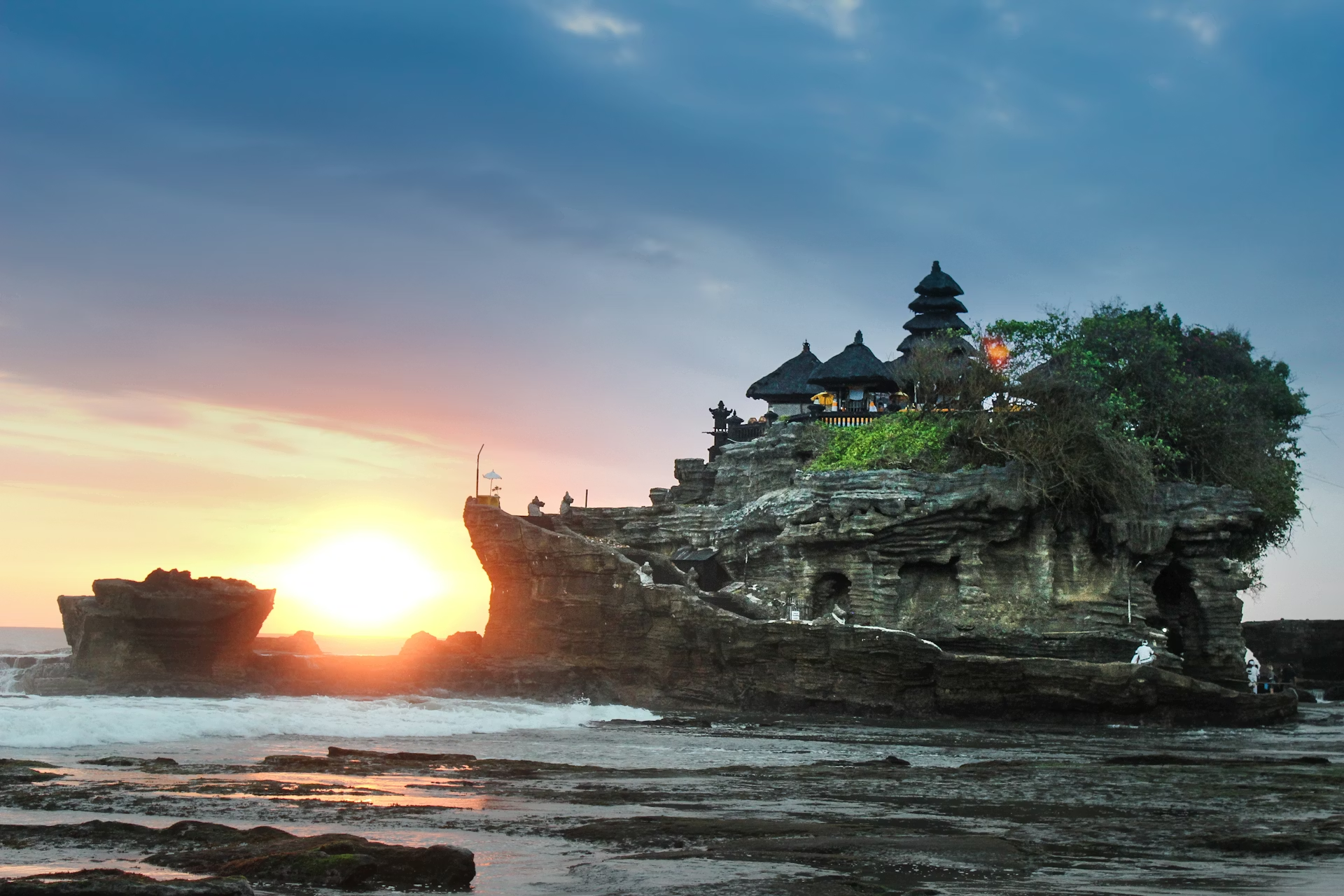
Uluwatu and the Bukit peninsula is 60–75 minutes south. This is your sunset-and-cliffs day: the temple, the kecak fire dance at sunset, and one of the dramatic Bukit beaches earlier in the day. With under-fives this is a long day in the car and most families skip it. With 6-plus kids it is one of the best memories of a Bali trip.
Waterbom Bali in Kuta is roughly 30–45 minutes from Sanur and is genuinely world-class. Plan a full day, get there at opening, and book a transfer home so no one has to drive after seven hours of waterslides.
The healthcare advantage (the quiet 2026 reason)
This is the part most travel guides have not caught up on. Until recently, the closest serious international-standard hospital to Sanur was a 20–40 minute drive away in Kuta or Denpasar. As of 2026, the Sanur Special Economic Zone hosts a large international hospital and a cluster of specialist clinics inside Sanur itself, with English-speaking staff, paediatric facilities, and direct relationships with international insurers.
For families travelling with babies — particularly first-time parents nervous about fevers in the tropics, ear infections after flights, mild dehydration, or routine "what is this rash" questions — having that capability ten minutes from your hotel rather than across town is a real comfort. It is not the reason to come to Bali, but it is increasingly the reason to choose Sanur within Bali if you have an under-two or someone with a chronic condition.
Practical advice unchanged: bring your own paediatric paracetamol and rehydration sachets, your usual thermometer, any prescription medication in original packaging with a doctor's letter, and a copy of your travel insurance card. Confirm your insurer's direct-billing arrangement with the hospital before you fly — that is the single biggest pain-saver if anything happens.
Mosquitoes, sun and the boring health stuff
Sanur is on the east coast, generally breezier than the western beaches, and mosquito pressure is moderate rather than severe. That said, dengue exists in Bali year-round and the risk is highest in the wet season (roughly November to March). Use a 20–30% DEET or picaridin repellent on exposed skin from late afternoon onwards, treat the pram with a permethrin-treated muslin if you can, and ask your hotel for a plug-in repellent in the room. Mosquito coils on the balcony work but keep them away from where kids breathe.
Sun is the bigger daily risk than mosquitoes. Bali sits 8 degrees south of the equator and UV index hits 11+ in the middle of the day for most of the year. Plan beach time before 10am and after 3pm, and use the boardwalk's shaded sections or the hotel pool in between. Reef-safe sunscreen on babies over six months, full rashie and hat on under-fives, and a beach tent with proper UPF rating, not a thin pop-up.
Water: stick to bottled or filtered, including for brushing teeth with under-fives, and avoid ice from street stalls. Most Sanur cafes and restaurants use filtered ice and you are fine. Wash hands often — the bigger gastro risk than water in our experience is hands going into mouths after touching public surfaces.
Getting in and out: airport and inside-Bali transfers
The drive from Ngurah Rai (Denpasar) airport to Sanur is the easiest airport transfer in Bali — typically 25–40 minutes depending on traffic. It is the second-shortest airport drive after Kuta, and unlike Kuta you are not arriving into chaos. For families flying in with a baby, this is genuinely a game-changer compared with the 60–90 minute Canggu run after a 6-hour flight from Perth or 9-hour from Sydney.
Two practical notes about the transfer. First, car seats are not legally mandatory in Bali but they are absolutely the right call for kids under four, and most local taxis and ride-share cars do not carry them. Pre-booking a transfer with an ISOFIX-compatible child seat fitted before you land is the lowest-stress way to get from arrivals to your hotel with a toddler. We do this on every transfer — see Bali airport to Sanur with baby seat for the route page and the seat options.
Second, once you are in Sanur, day-to-day you barely need a car. The boardwalk and the inland streets cover most of what you will want to do on foot or by bike. For day trips, book a private driver for the day — typically 8–10 hours, fixed price, with car seats included if you ask in advance. Scooters with babies are not appropriate; we say this often and we will keep saying it.
Best things to do with under-fives
The under-five list in Sanur is short, gentle and that is the point. Sunrise walk on the boardwalk with a pram. Sandcastles at high tide. Knee-deep paddling in the lagoon. Outrigger boat-watching from the sand. Ice cream at the small cafes along the path. Pool time at the hotel during the midday heat. Sunset cycle along the boardwalk with a child seat. Repeat.
If you want one structured activity for ages five-plus, a mangrove kayak tour at the southern edge of Sanur — calm water, shaded mangrove channels, kingfishers and crabs — is a brilliant 90 minutes. Operators run small groups, life vests for kids, and the paddle is genuinely easy. Not suitable for under-fives because of the kayak balance.
Bali Hai catamaran cruises from Benoa harbour (a 15–20 minute drive from Sanur) are popular with families: snorkelling stops, banana boats, beach lunch on Lembongan. Caveat: the open-water crossing can be choppy and motion sickness is common for kids and adults. If your family is sensitive to boat motion, pre-medicate (paediatric ginger lozenges or a doctor-recommended antiemetic for older kids), and seriously consider whether an overnight on Lembongan beats the day cruise. Calmer water, less moving around.
Where to stay: matching area to family stage
We will not name specific hotels here because the right place changes year to year, but the matching logic is stable.
Baby plus one parent overwhelmed: a 4-star beachfront hotel in north or central Sanur with a swim-up pool bar (for you) and a kids' pool (for them). Pram-out-the-door, breakfast included, room service for the worst nights. This is the lowest-stress baby holiday in Bali.
Two adults, one toddler, one school-age kid: a three-bedroom private-pool villa in north Sanur. The pool means you can do "swim, lunch, nap" without leaving the gate. Hire a cook for two or three dinners. A villa works out cheaper than two hotel rooms once you cost in meals.
Multi-generational with grandparents: central Sanur 4 or 5-star resort with two-bedroom suites or interconnecting rooms. Grandparents get their pool and breakfast, parents get an evening off, kids get the kids' club.
Older kids, mid-budget: central Sanur boutique hotels one block back from the beach. Cheaper, walkable to everything, and the kids are old enough not to need their own pool.
Things Sanur is NOT good for
Honesty matters. Sanur is not the right base if your trip priority is surfing — head to Canggu, Uluwatu or Medewi. It is not the right base for nightlife — Seminyak/Canggu. It is not the right base if you want the dramatic-cliff-Instagram Bali — that is the Bukit. It is not the right base if you want jungle and rice paddies as your daily view — that is Ubud. And it does not have a single iconic must-see attraction — no big temple on a cliff, no monkey forest. Sanur's value is the daily rhythm of safe water, flat walks, decent food and easy logistics. That is exactly what most families with under-eights actually need, and most families realise that after they have already booked Canggu.
FAQs
Is Sanur safe for babies to swim? Yes — the reef-protected lagoon is one of the calmest swim zones in Bali, with no surf and gentle ripples. Swim within two hours of high tide for the deepest water, supervise constantly, and use a sun-suit and umbrella.
How long is the drive from the airport to Sanur? Typically 25–40 minutes, depending on traffic and time of day. Mornings and late evenings are quickest; 4–7pm can stretch the drive significantly.
Sanur or Nusa Dua with a toddler? Both are safe water. Nusa Dua if you want resort-everything and barely leaving the gate. Sanur if you want a real walkable town with cafes, a boardwalk and the option to walk out for breakfast.
Can you walk everywhere in Sanur with a pram? Mostly yes. The 5-plus kilometre boardwalk is flat and pram-friendly, and the inland streets are walkable in cool hours. For longer outings you will want a car.
Is the Nusa Penida day trip too much with kids? With under-sixes, yes — we suggest making it an overnight to break up the boat plus driving. With 6-plus kids, a day trip is doable if you start early and book a private driver on Penida.
What about mosquitoes and dengue in Sanur? Moderate risk, higher in the wet season (November–March). Use DEET or picaridin from late afternoon, plug-in repellent in the room at night, and dengue-aware behaviour during the day. Talk to your GP before flying.
Is there a hospital in Sanur? As of 2026, yes — the Sanur Special Economic Zone hosts a large international hospital and several specialist clinics with English-speaking staff and paediatric care. Confirm your insurer's direct-billing setup before you travel.
Best time of year for Sanur with kids? May to September is the dry season — coolest, breeziest, lowest mosquito pressure. April and October are excellent shoulder months. December to February is hot and wet but fine if you plan around the afternoon rain.
Do we need to hire a car? No. Hire a private driver for day trips and use the boardwalk and bikes locally. Self-drive in Bali traffic with kids is not worth the stress.
If you are weighing up where to base your family in Bali in 2026, Sanur is the answer more often than the internet suggests. The calm water, the boardwalk, the short airport drive, the new healthcare hub and the easy Penida/Ubud day trips add up to the lowest-stress family base in Bali — and that is what actually makes a holiday feel like a holiday with small kids. When you are ready, pre-book your airport transfer with an ISOFIX car seat fitted at balifamilytravels.com and we will meet you at arrivals with the seat ready to go.
Day trips from Sanur: Nusa Lembongan day trip and Sanur mangrove kayak both start from your Sanur base — baby seat included. Browse all itineraries →